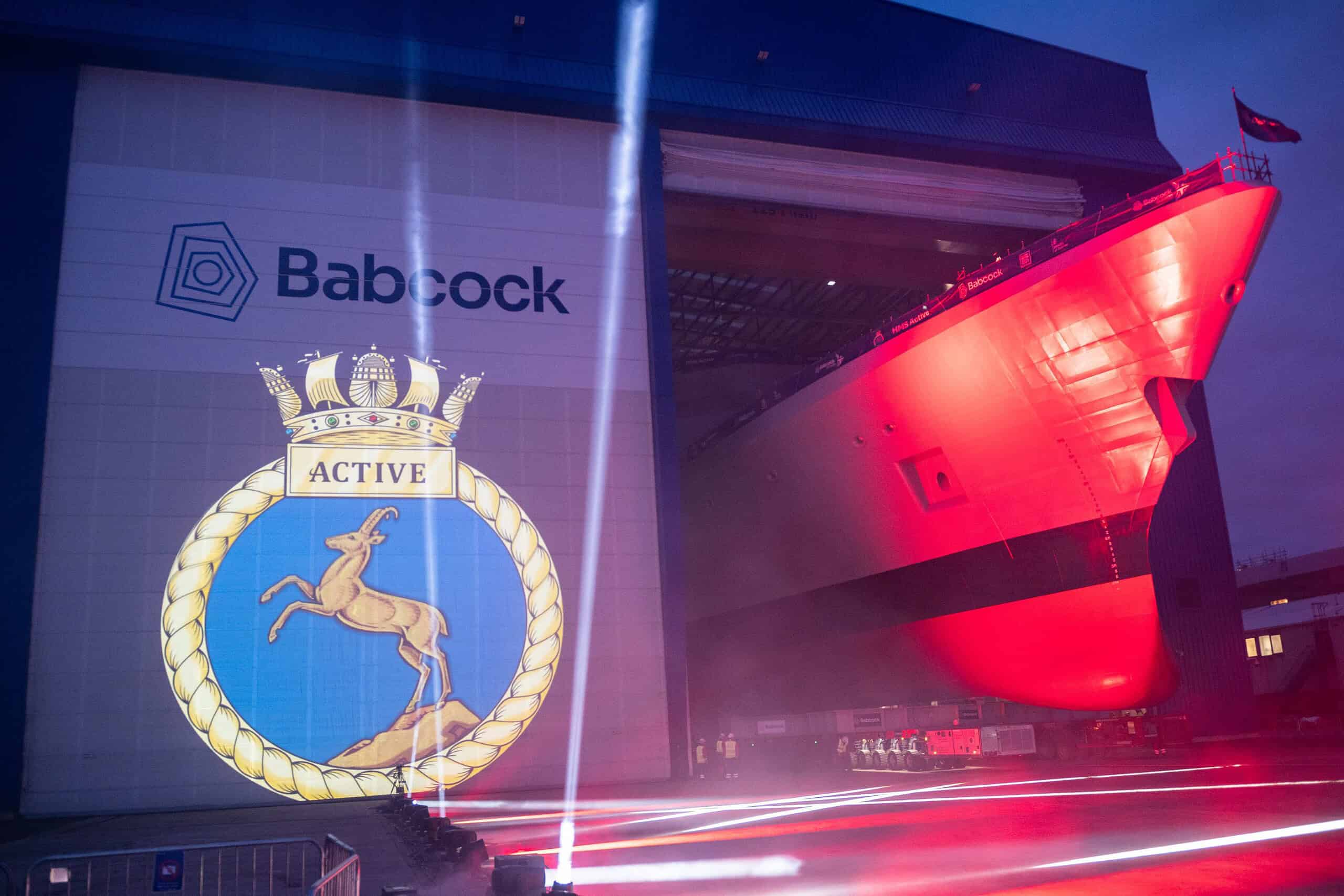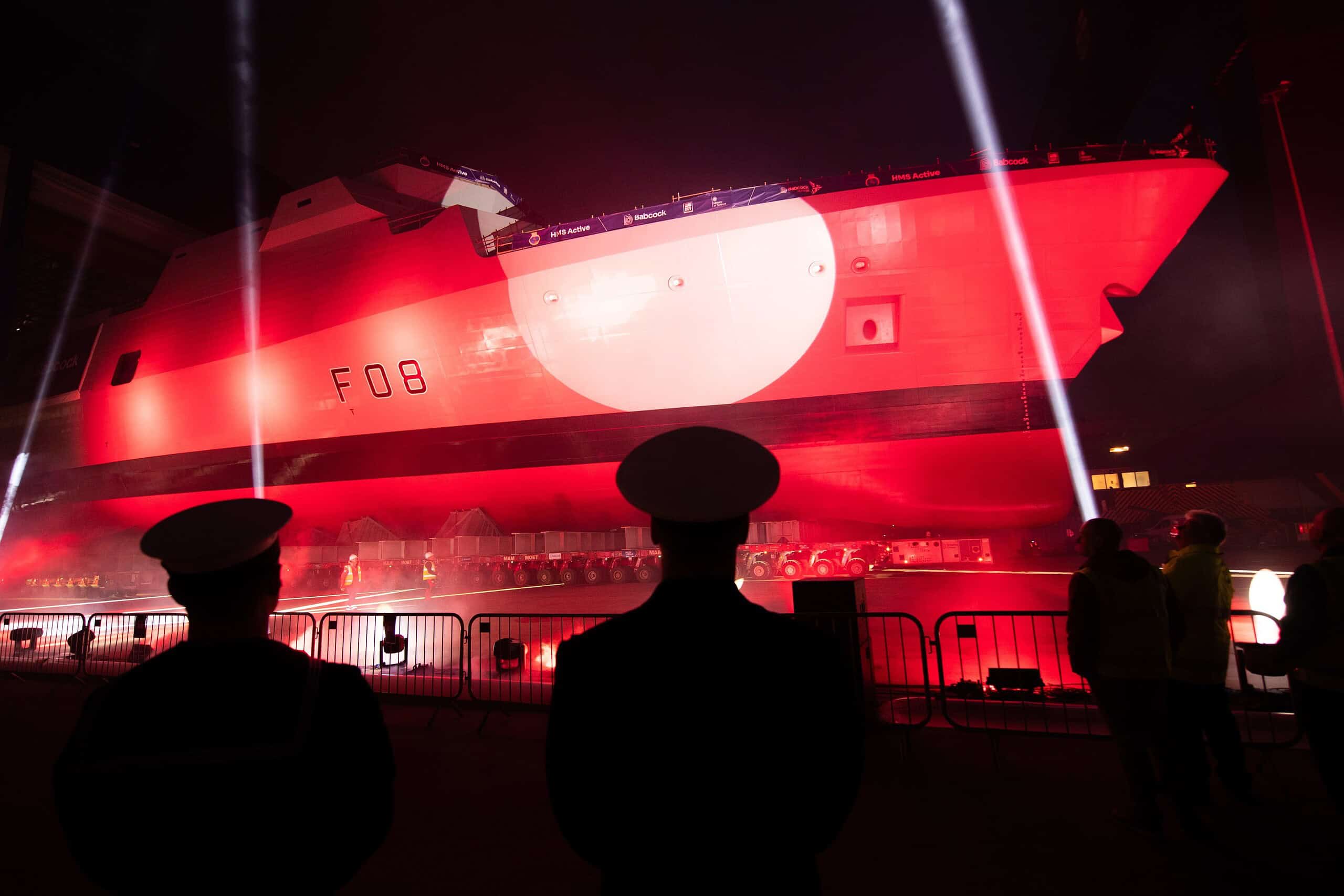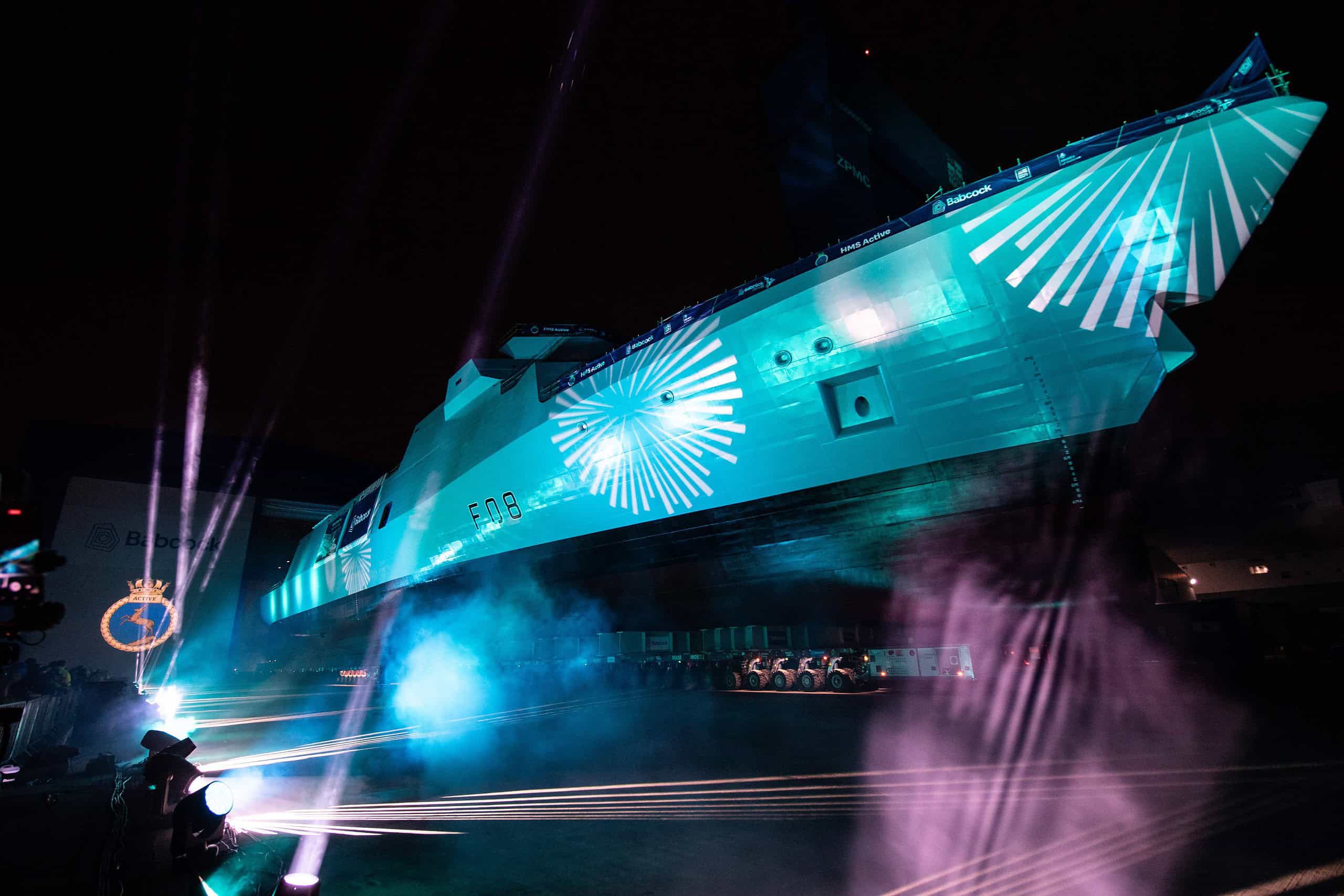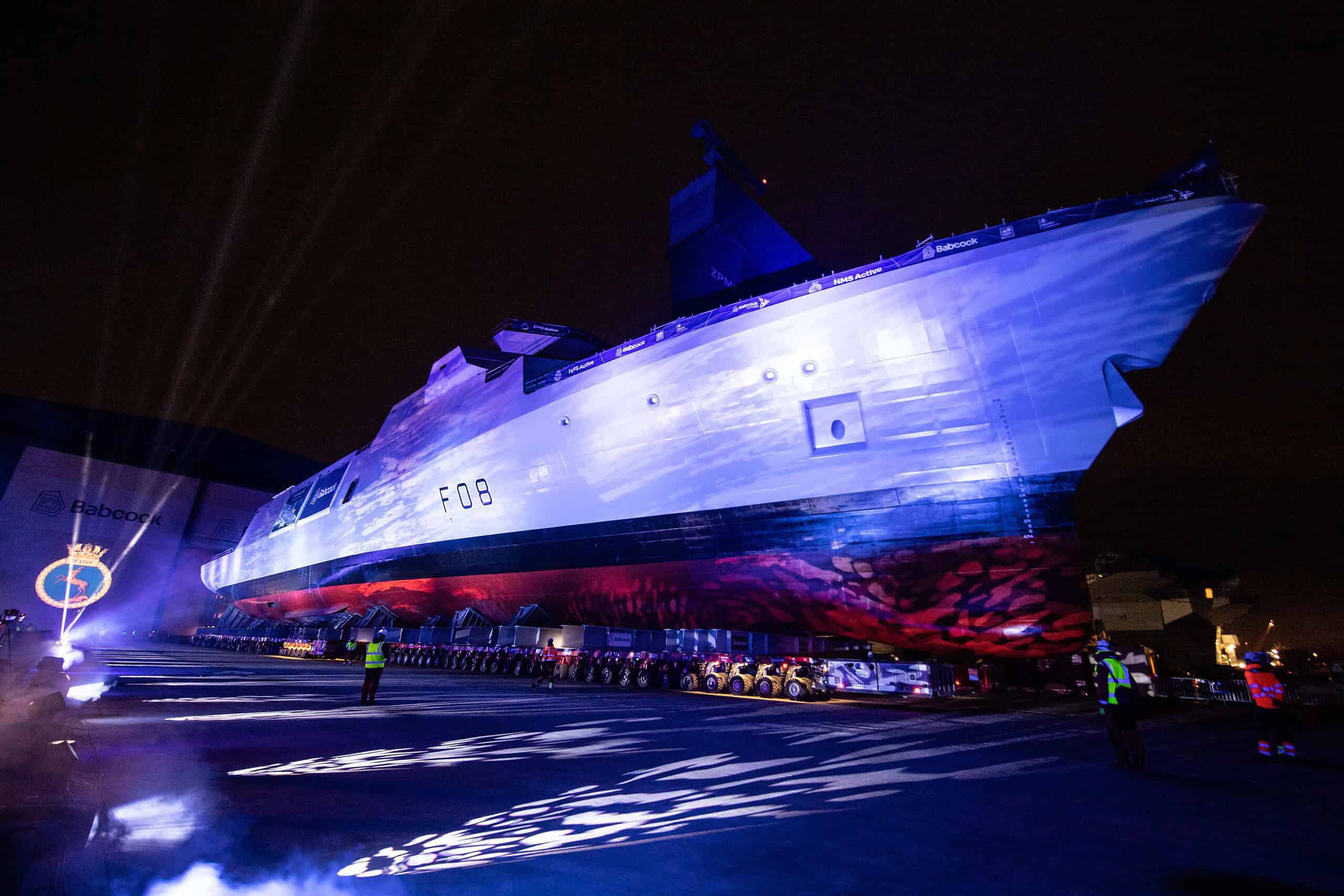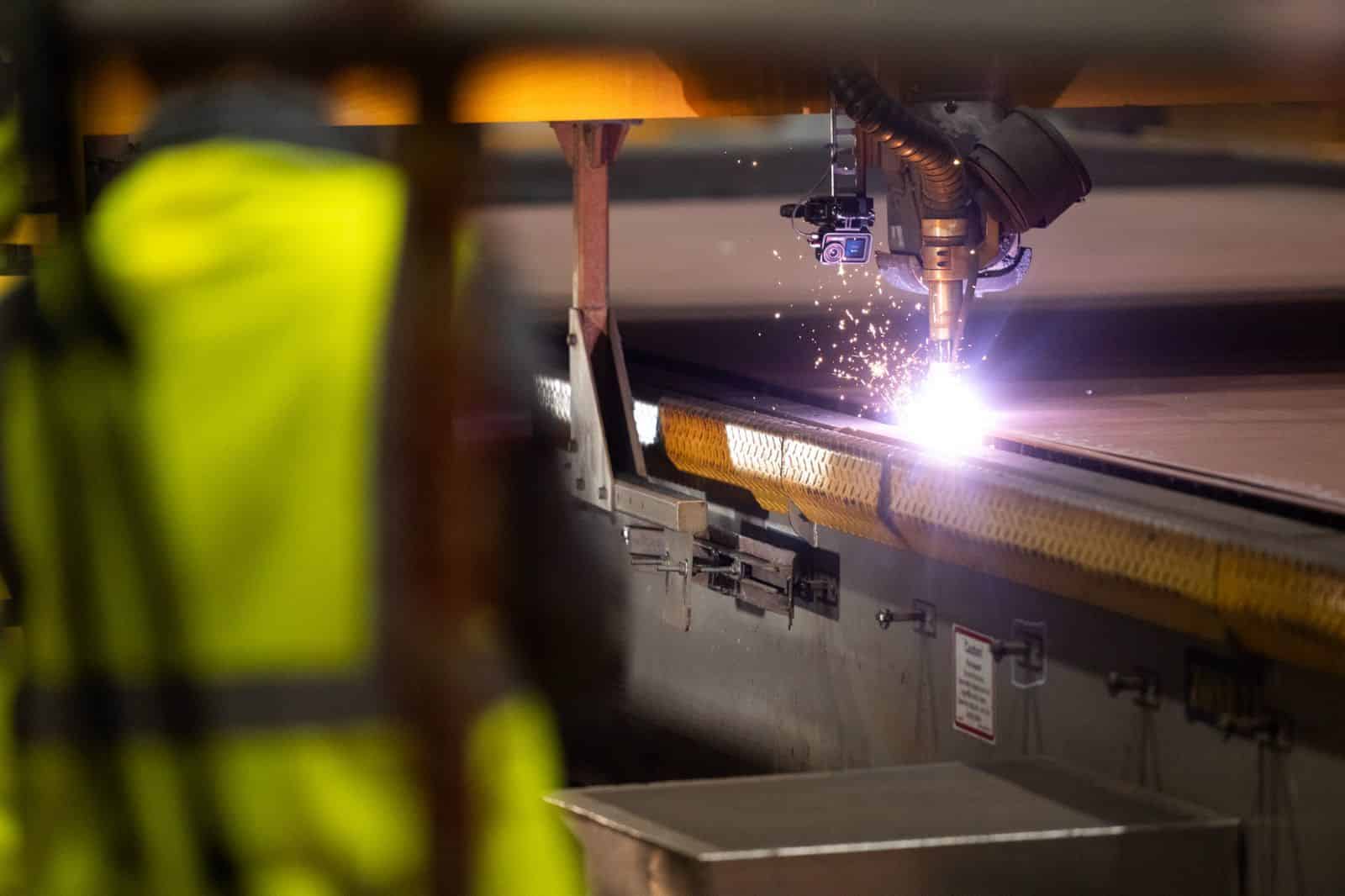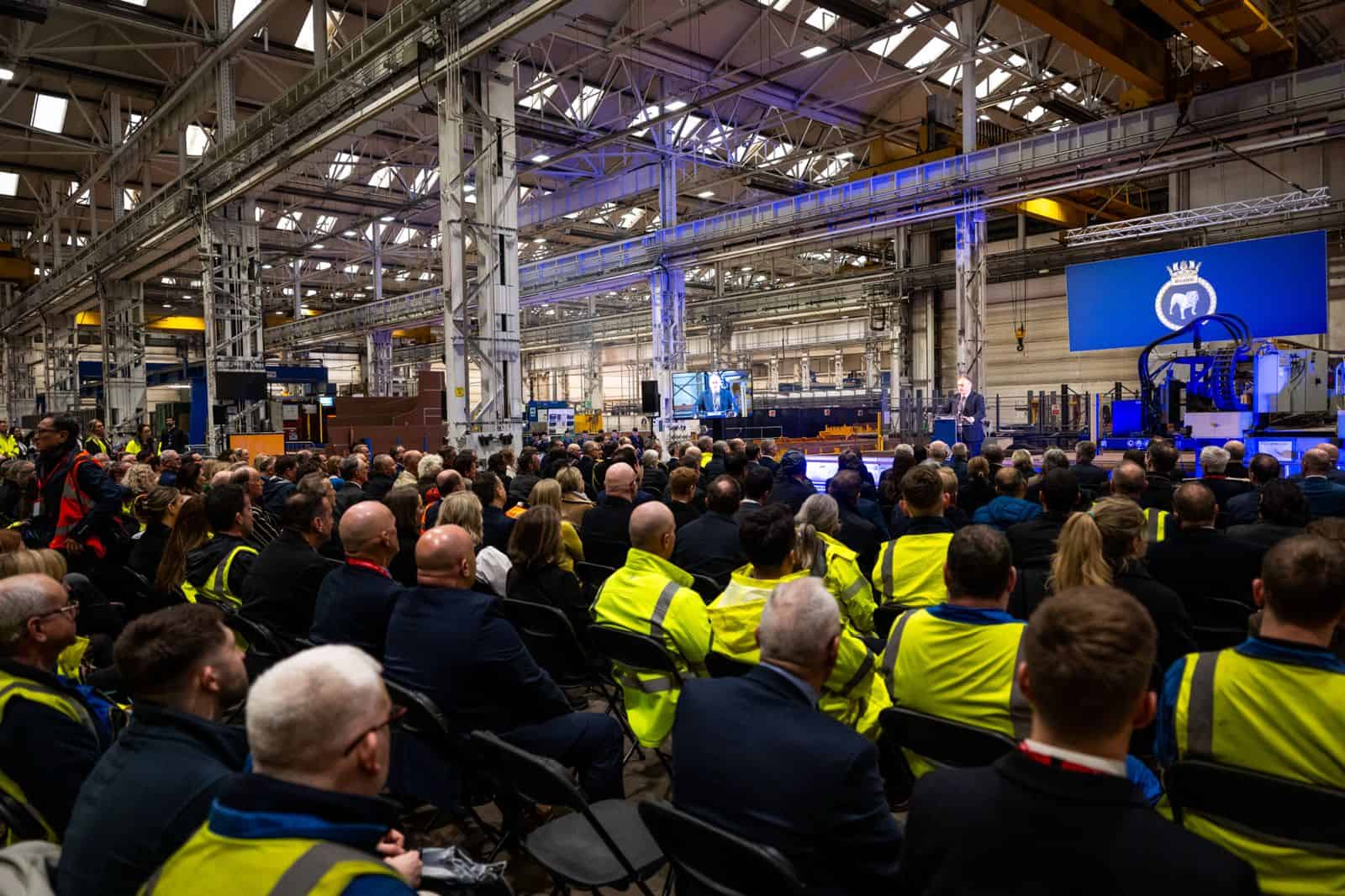
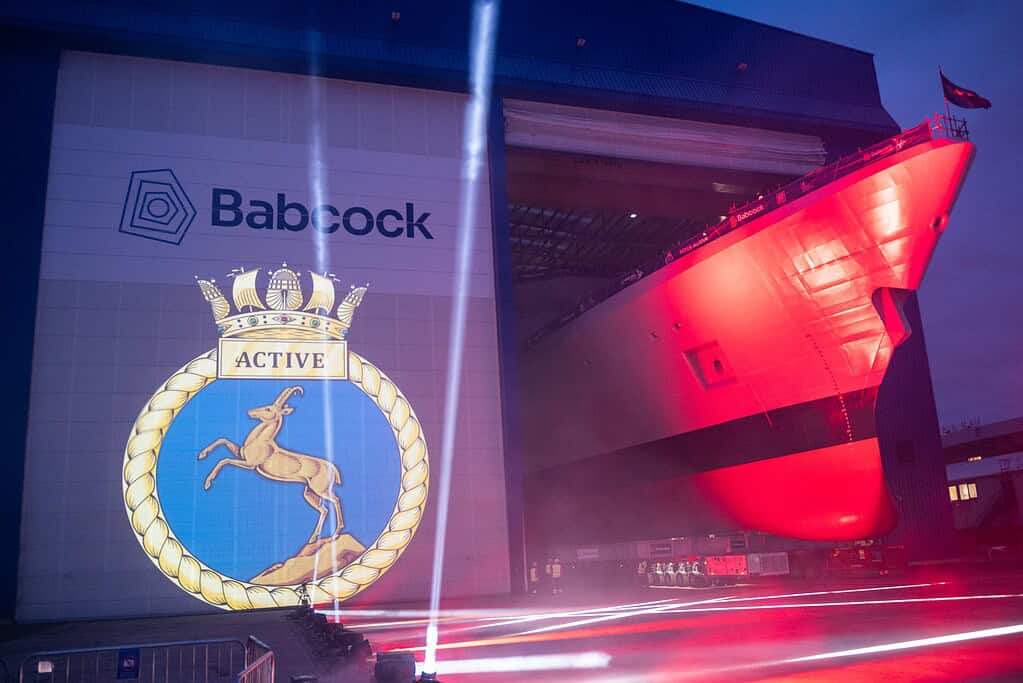
We’ve achieved a major moment in the delivery of the Royal Navy’s Type 31, Inspiration Class programme, as two key milestones – the Steel Cut for HMS Bulldog and the Rollout of HMS Active – took place at our Rosyth facility in Scotland.
Underlining the rapid pace of delivery across the programme and the maturity of the modern, modular construction approach, the ceremonial Steel Cut for HMS Bulldog marked the official start of build on the fourth of five Inspiration-class frigates, while the rollout of HMS Active saw the momentous emergence of the second frigate from the purpose-built ship assembly hall, ahead of entering the water for the first time.
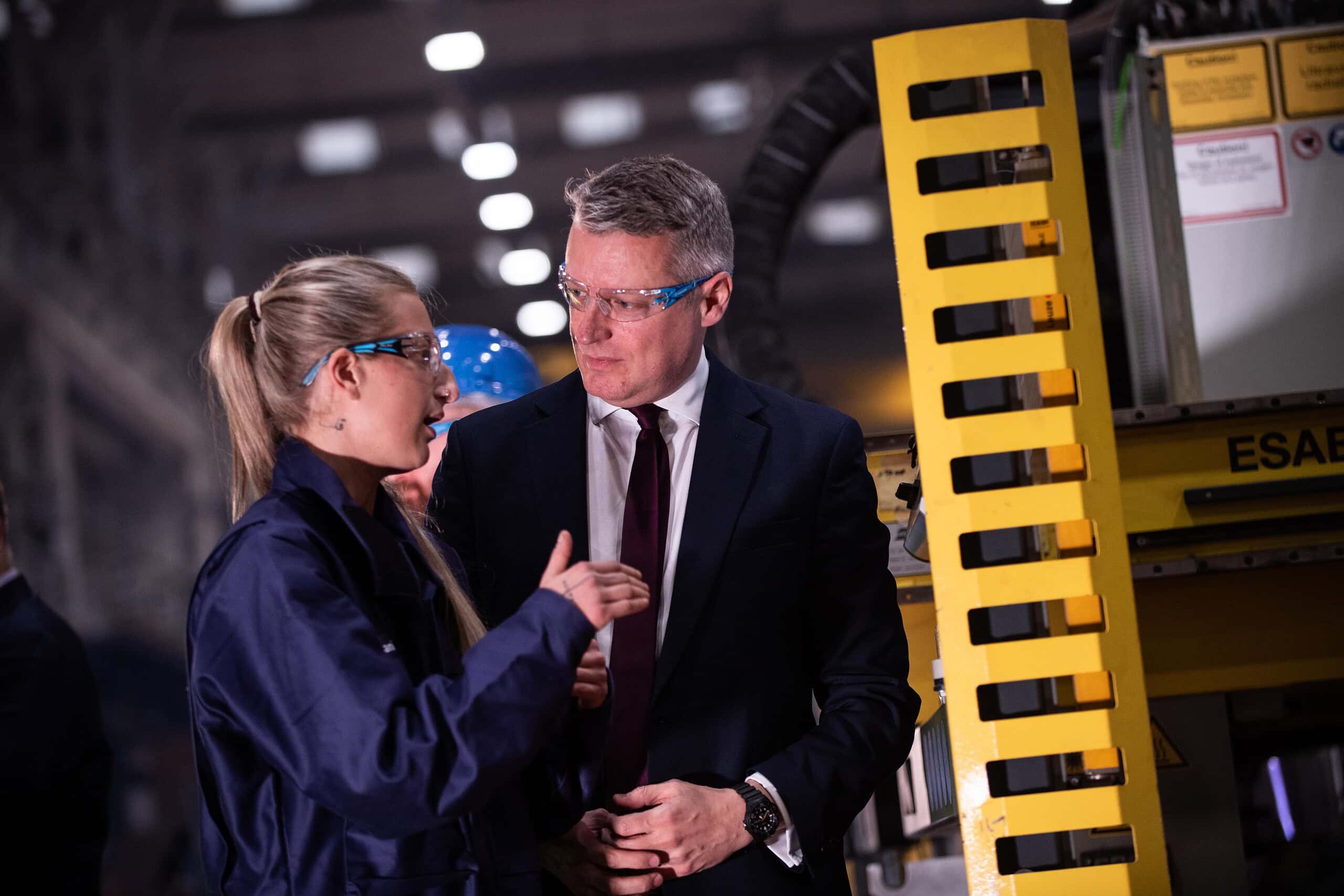
Guests from the UK and beyond had the opportunity to see first‑hand the innovation and expertise driving the programme, as well as the world-class infrastructure and technology across our advanced manufacturing facility at Rosyth, that underpin the design and build activity.
With each ship, the lessons learned, practical knowledge and experience in sequencing, integration and supply chain management is further embedded into the programme, informing the planning and delivery of future builds. Design improvements arising from the first two ships are already enhancing build efficiency for ships three and four. Increased compartment and system outfitting in the manufacturing bays before the main blocks are assembled will help to reduce integration time in the build hall by making the most of earlier outfitting, supporting programme delivery times.
David Lockwood, CEO, Babcock, said: “Delivering the Steel Cut for HMS Bulldog and the Rollout of HMS Active on the same day is a powerful demonstration of the drive and delivery focus of our Type 31 programme as we build the next modern, future ready fleet for the Royal Navy. These milestones show the maturity of our facility, the success of the design and build process, and the skill and dedication of our Babcock team.
“We are not only building a new class of ship at Rosyth, we are also at the forefront of a national endeavour that is strengthening the UK’s shipbuilding industry, supporting sovereign and allied maritime capability, while creating an advanced industrial footprint and expertise that will support the future of global shipbuilding for generations to come.”
The Type 31 programme plays a significant role in supporting the UK’s sovereign defence capability. With the majority of work taking place in Fife, Scotland, it is supported by a network of UK and international suppliers, including Small and Medium-sized Enterprises (SMEs). The programme sustains c.2,500 highly skilled jobs, deepens domestic expertise and strengthens the UK’s ability to design, build and integrate complex warships and export this knowledge.
Our Arrowhead 140 frigate design, on which the UK’s Type 31 ship is based, is also proving a continued success overseas. The design has already been selected by Poland for its Miecznik frigate programme and firmly established in Indonesia, where multiple Arrowhead 140‑based frigates are now in build, including two new design and build licences recently secured.
Luke Pollard MP, Minister for Defence Readiness and Industry, said: “These milestones show Scottish shipbuilding at its best. From starting construction for HMS Bulldog to rolling out the impressive HMS Active, this programme is delivering world-class warships for the Royal Navy and real economic benefits for communities across Scotland and the wider UK.
“The frigates will serve our nation for decades to come, and the skills and infrastructure we’re building here will secure the future of Scottish shipbuilding for generations.”
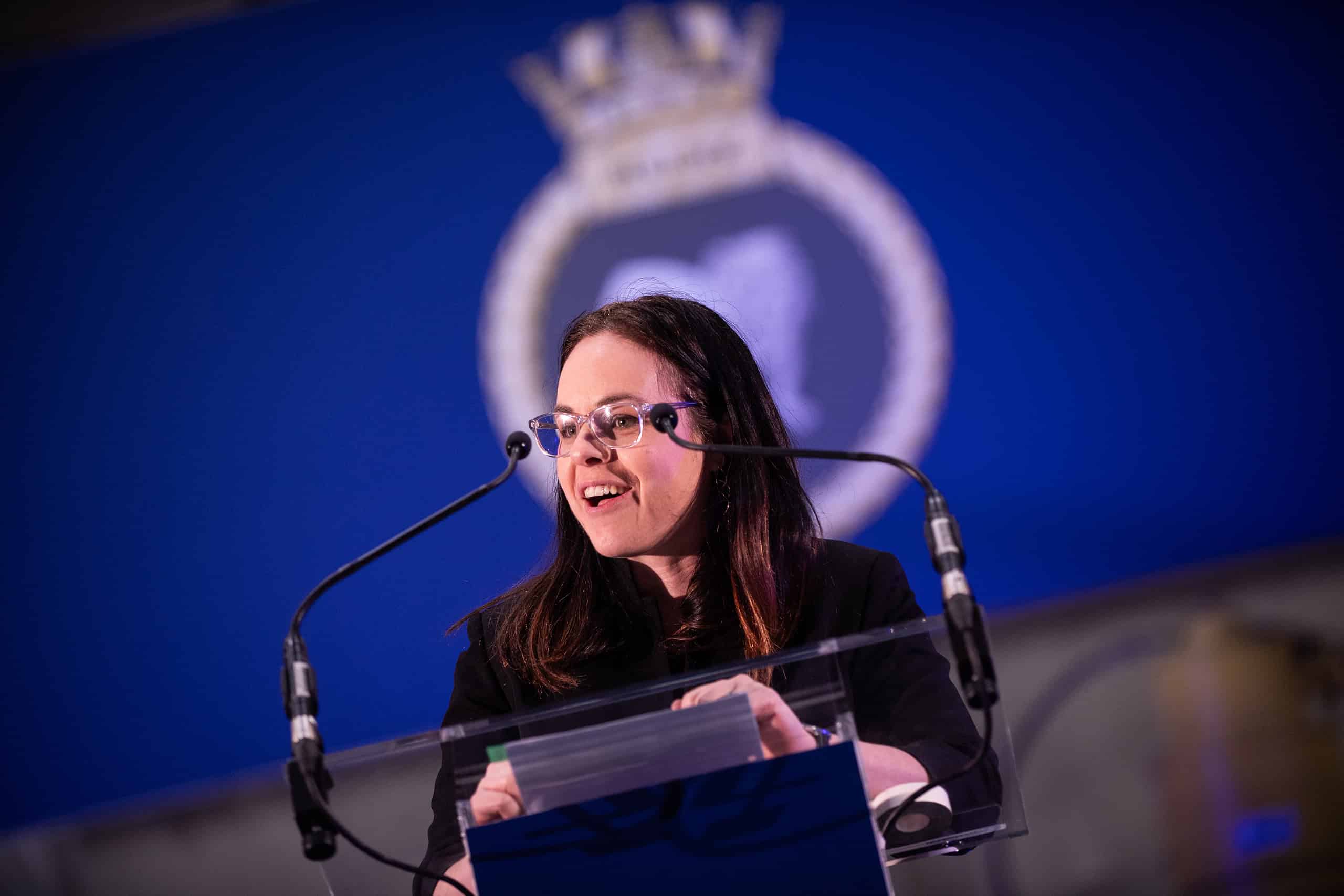
Deputy First Minister, Kate Forbes, said: “Today’s ceremony is testament to the skill, dedication and innovation of the workforce at Babcock – and a powerful symbol of Scotland’s enduring contribution to security in an uncertain world.
“Babcock’s work to develop future talent by supporting apprenticeships and engaging with local colleges on skills is absolutely vital. But the company’s efforts to ensure that talent is retained in Scotland is even more crucial to our communities and our economy.
“Investing in shipbuilding and the wider defence sector is investing in the next generation of innovators and problem-solvers, ensuring Scotland remains a global leader in advanced manufacturing. That’s why the Scottish Government has provided more than £90 million to aerospace, defence, marine and space companies through enterprise agency funding since 2006.”
Fleet Commander, Vice Admiral Steve Moorhouse, said: “These milestones reflect the momentum, ambition and national commitment behind the regeneration of our future frigate force.
“The Type 31 Inspiration class represents a major step forward in modernising our fleet. These are capable and adaptable ships, designed to give the Royal Navy the flexibility it needs in a fast-changing strategic environment.
“Their combat systems and modular design will allow upgrades throughout their life, ensuring they can meet both today’s threats and those we cannot yet see.”
The five versatile frigates will form a key element of the Royal Navy’s surface fleet, undertaking missions including interception, intelligence gathering, defence engagement and humanitarian support. The first ship, HMS Venturer, celebrated her rollout from the purpose-built Venturer Building in mid‑2025, marking a major construction milestone. Most recently, the keel of HMS Formidable was laid in a ceremony at the end of last year, signalling the start of the third ship’s assembly phase.