Discover our wildflower meadows
As part of Babcock’s commitment to biodiversity enhancement, three areas of existing grassland surrounding the Henley building at our Devonport site have been transformed into species rich wildflower meadows.
The project, which was part-funded by SMS Group and facilitated by the Eden Project, began in Spring 2026. A diverse mix of native wildflowers – such as corn poppy, cowslips, primroses, and yarrow – were provided by the Eden Project National Wildflower Centre.
These species offer essential food sources for bees and other pollinators. With insect populations in decline, and pollinators under increasing pressure in built-up environments, initiatives like this play an important role in supporting ecological resilience across the site.
5 tonnes
of soil levelled
1,200
plug plants planted
32
volunteers
3.5%
biodiversity uplift on site
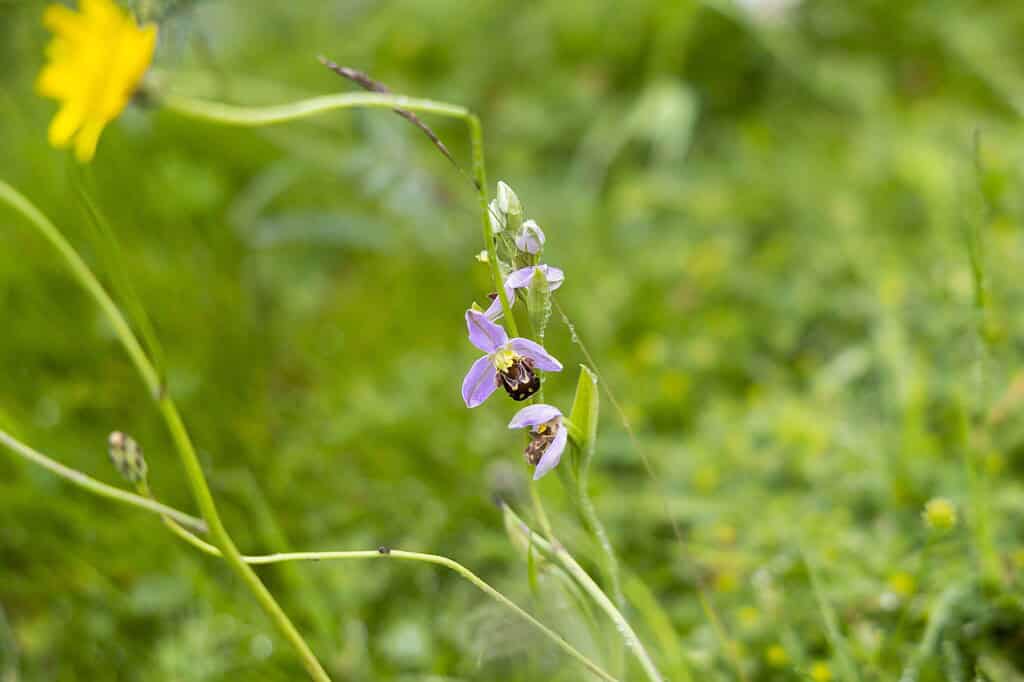
During the plug planting we found three orchid plants in the larger grassed area. We suspected they were bee orchids, a protected species often found in verges and grasslands when soil has been brought in.
They usually get mown and don’t reach maturity, so it was great to see them flower and confirm that we do have bee orchids on site. We hope they will reproduce and spread through the grass.
Enhancing biodiversity together
In Spring 2026, over thirty Babcock volunteers exercised their green fingers to support this project at Devonport, transforming three areas of existing grassland into species-rich wildflower meadows.
This is the first project on the site designed to deliver measurable biodiversity gains in line with our sustainability priorities. Once completed, the project will provide an estimated 3.5% biodiversity uplift – contributing towards the overall 10% site target.
Our volunteers and members of the Defence Gardening Scheme worked hard at turf stripping, scarifying, soil levelling, seed sowing and plug planting. Despite the wind and rain on the second day, the volunteers powered through to complete all targeted activities – including two skips full of turf stripped, five tonnes of soil levelled, and a grand total of 1,200 plug plants planted.
Projects like these not only support biodiversity, but also offer wellbeing benefits for our people, including time outdoors, connecting with nature, and learning practical skills, all shown to improve mood and reduce stress.
Play videoCheck out the flowers you may be able to identify in the meadows and learn about the pollinators they support:
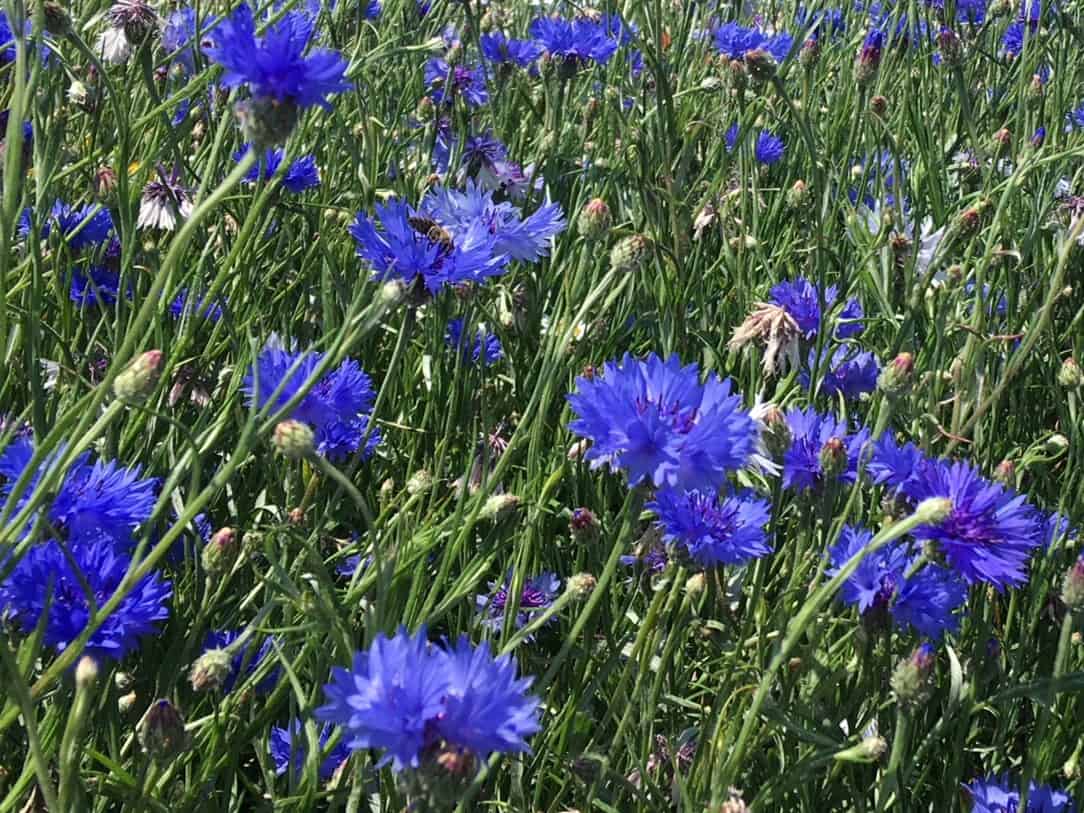
Cornflower
Flowering period
June-August
Height
20-50cm
Pollinators
Bees, butterflies, hoverflies
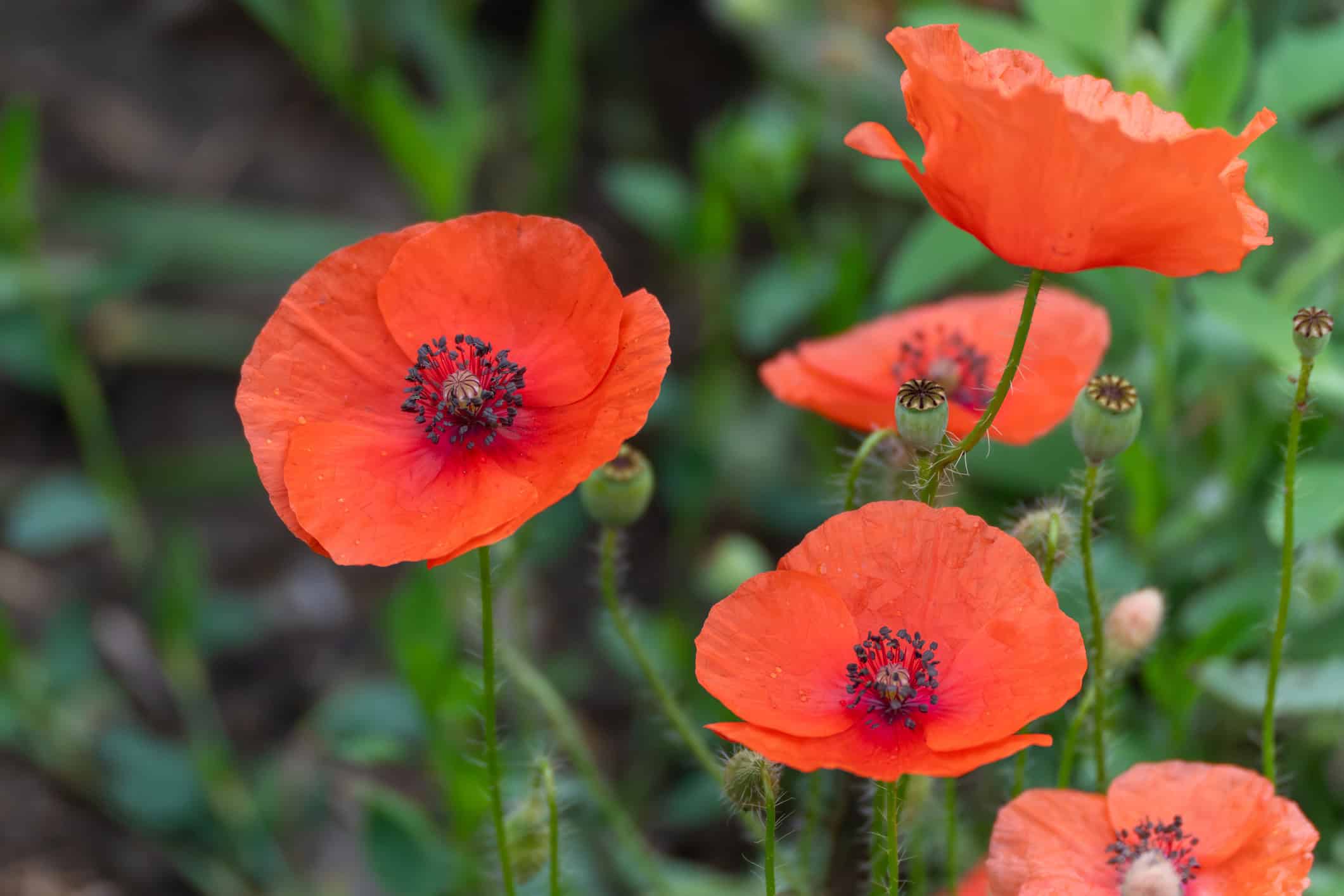
Corn poppy
Flowering period
June-August
Height
20-60cm
Pollinators
Short & long-tongued bumblebees, solitary bees
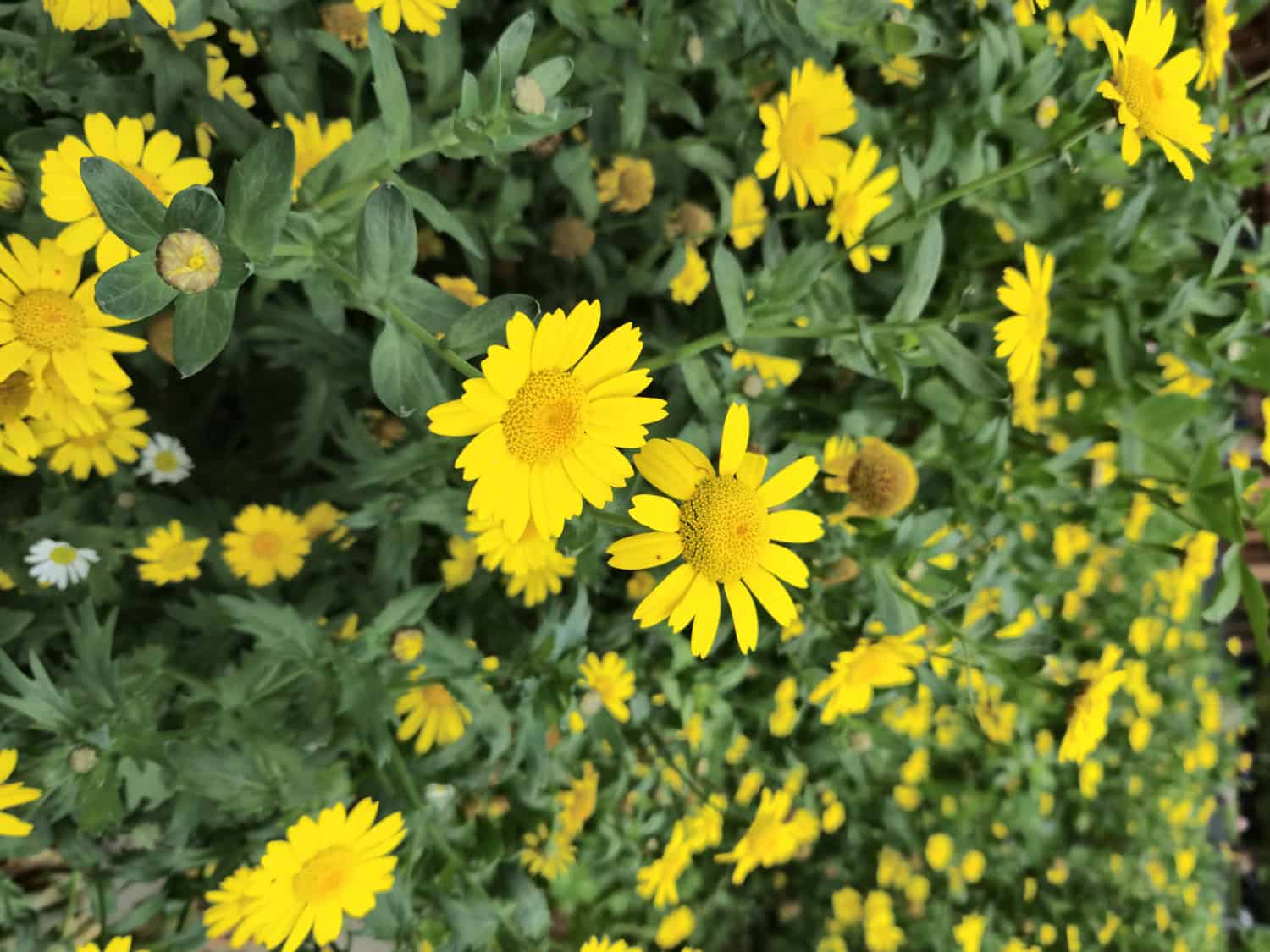
Corn marigold
Flowering period
June-August
Height
Up to 50cm
Pollinators
Bees, hoverflies
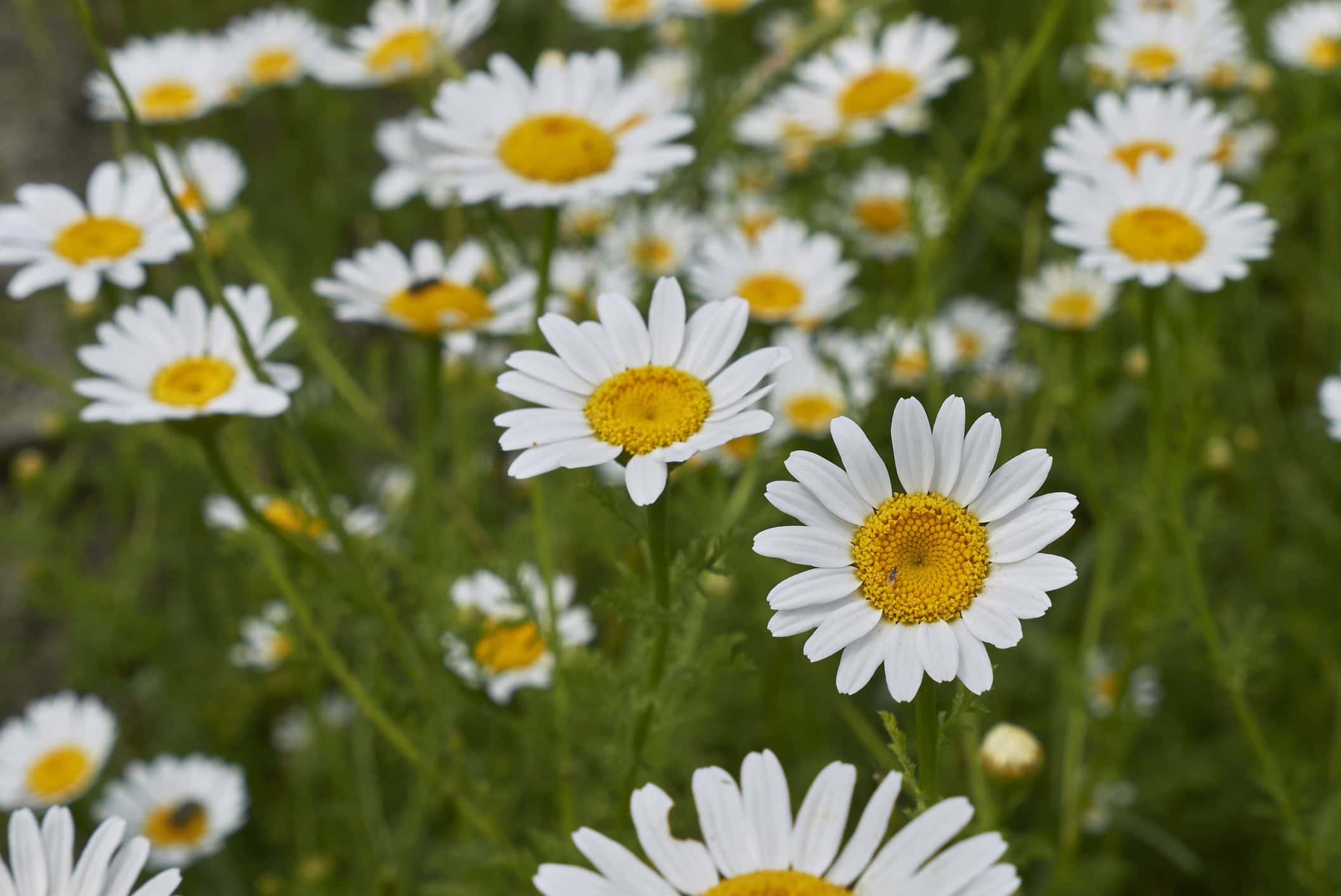
Corn chamomile
Flowering period
June-July
Height
10-50cm
Pollinators
Honey bees, bumblebees
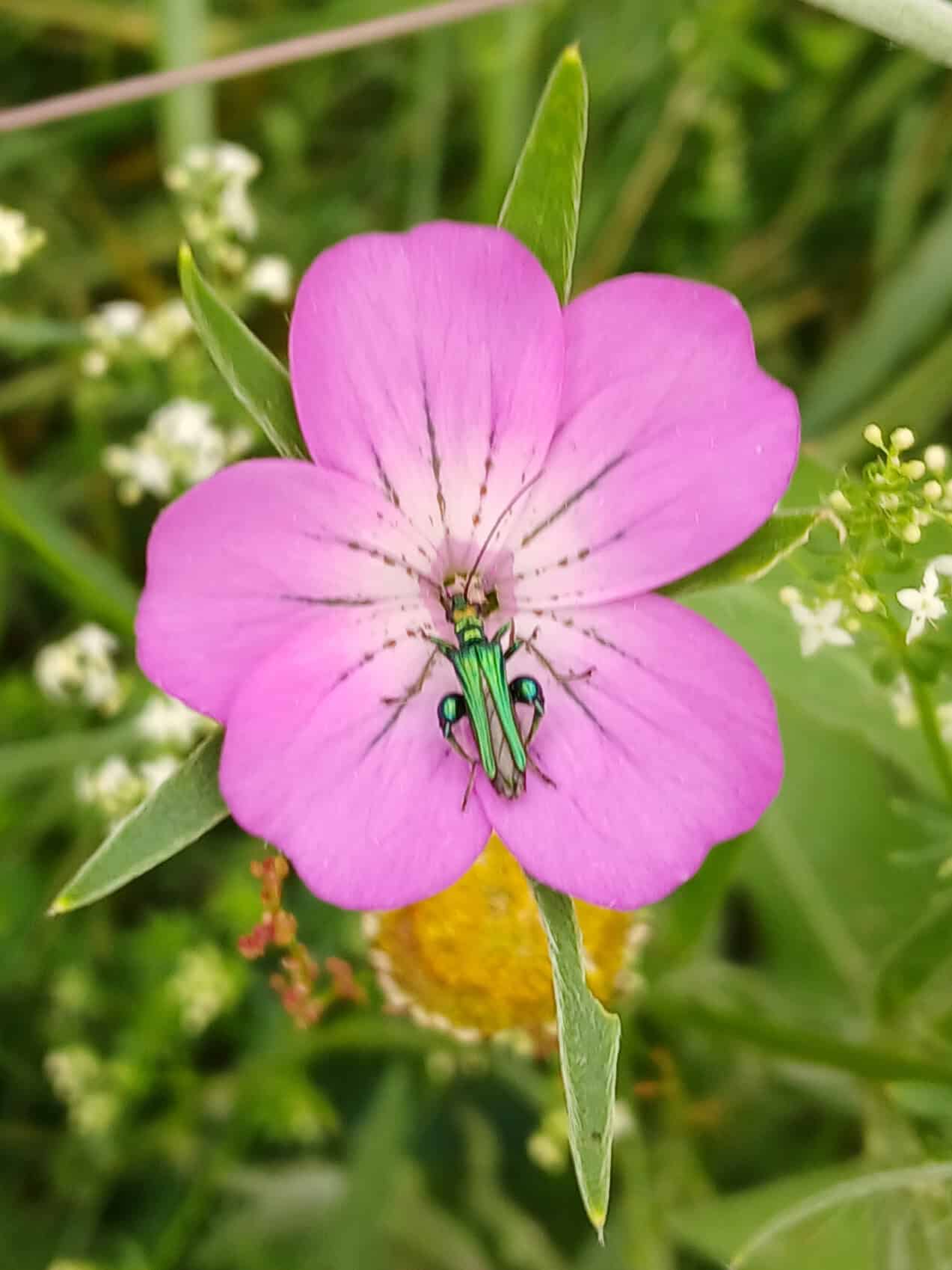
Corncockle
Flowering period
June-August
Height
10-60cm
Pollinators
Small tortoiseshell, common brimstone, large skipper
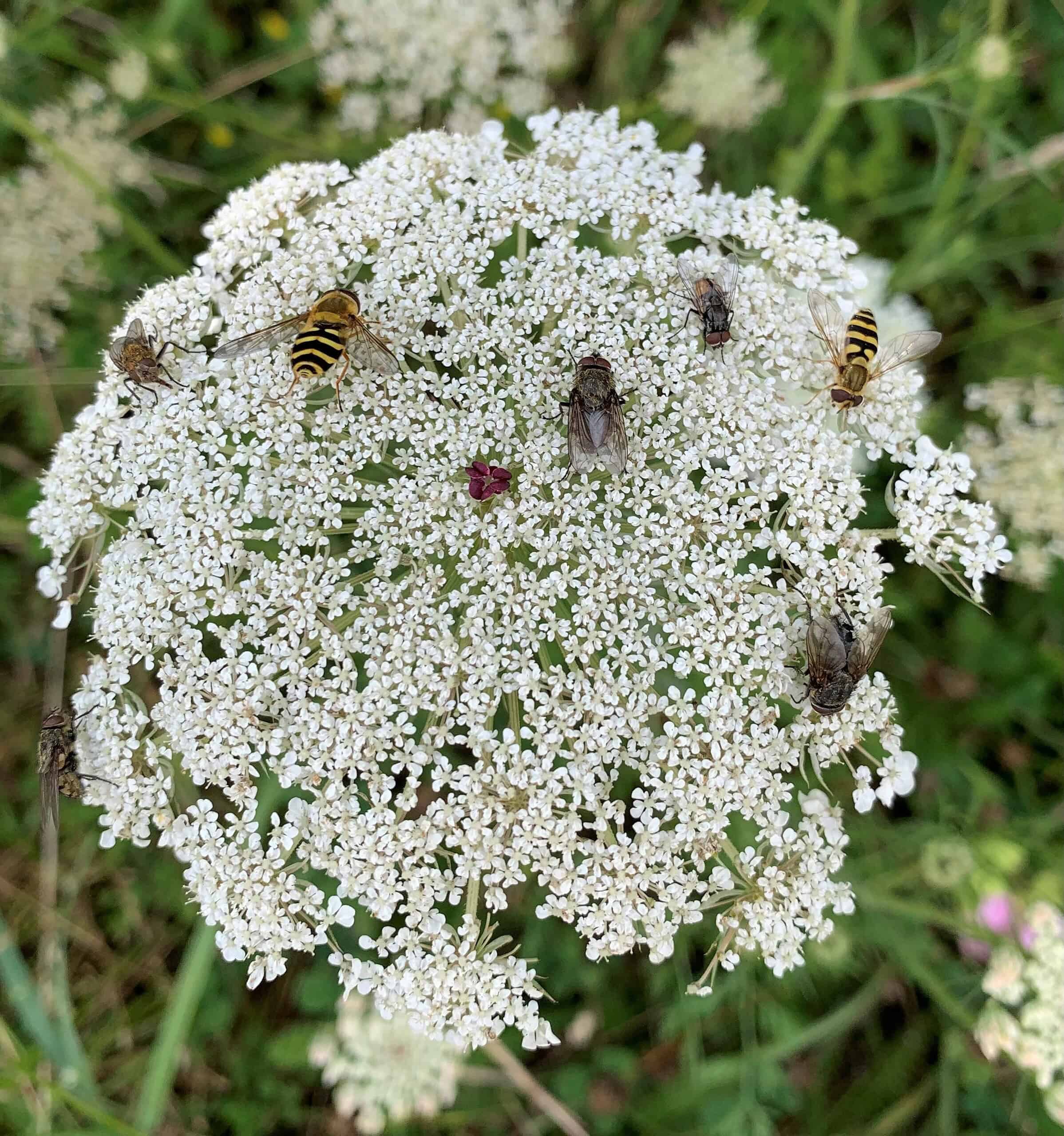
Wild carrot
Flowering period
June-August
Height
Up to 100cm
Pollinators
Honey bees, bumblebees, lady birds
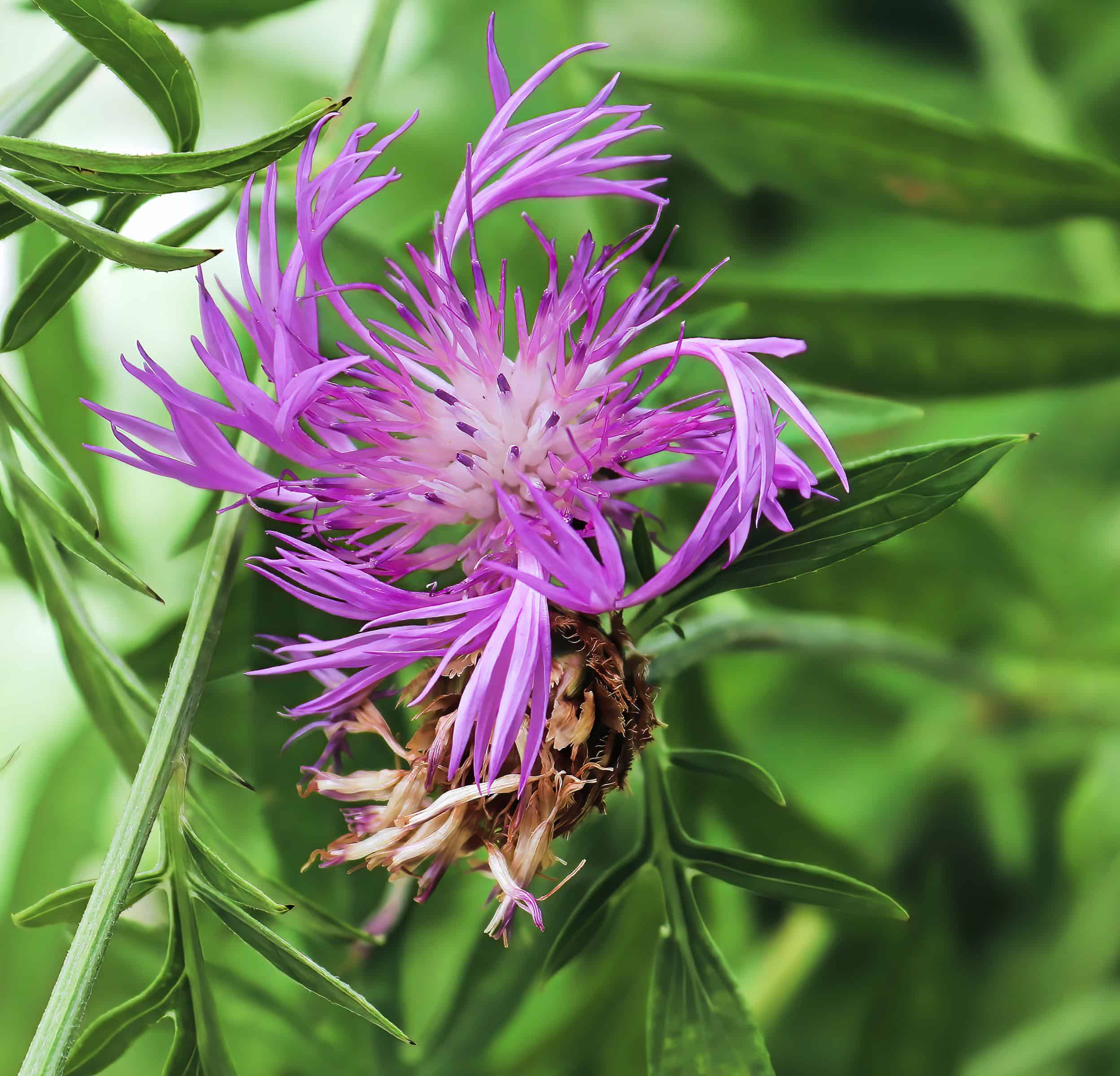
Common knapweed
Flowering period
July-September
Height
50-60cm
Pollinators
Common blue, meadow brown, butterflies, bees
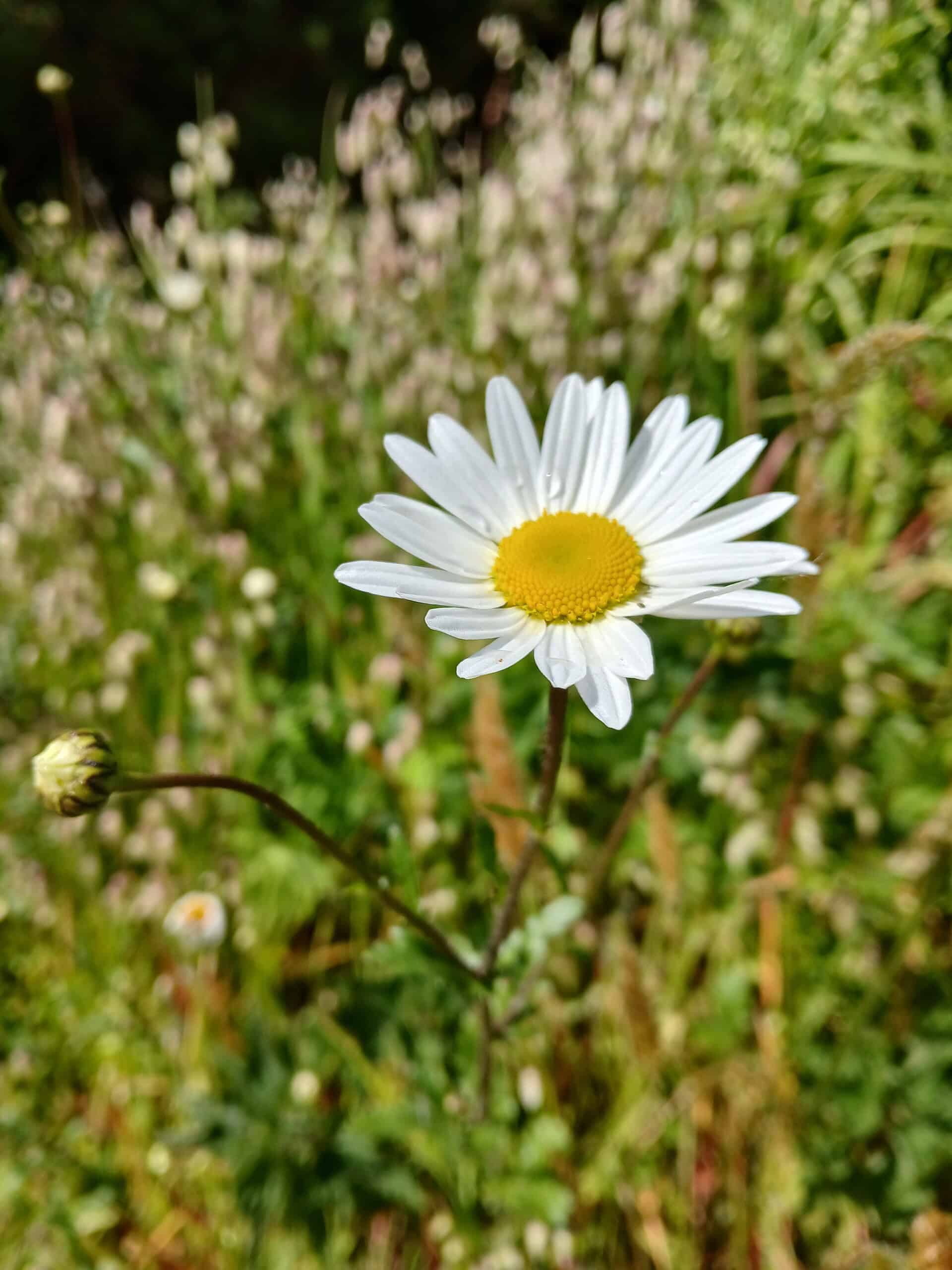
Oxeye daisy
Flowering period
May-September
Height
20-70cm
Pollinators
Bees, butterflies, hoverflies
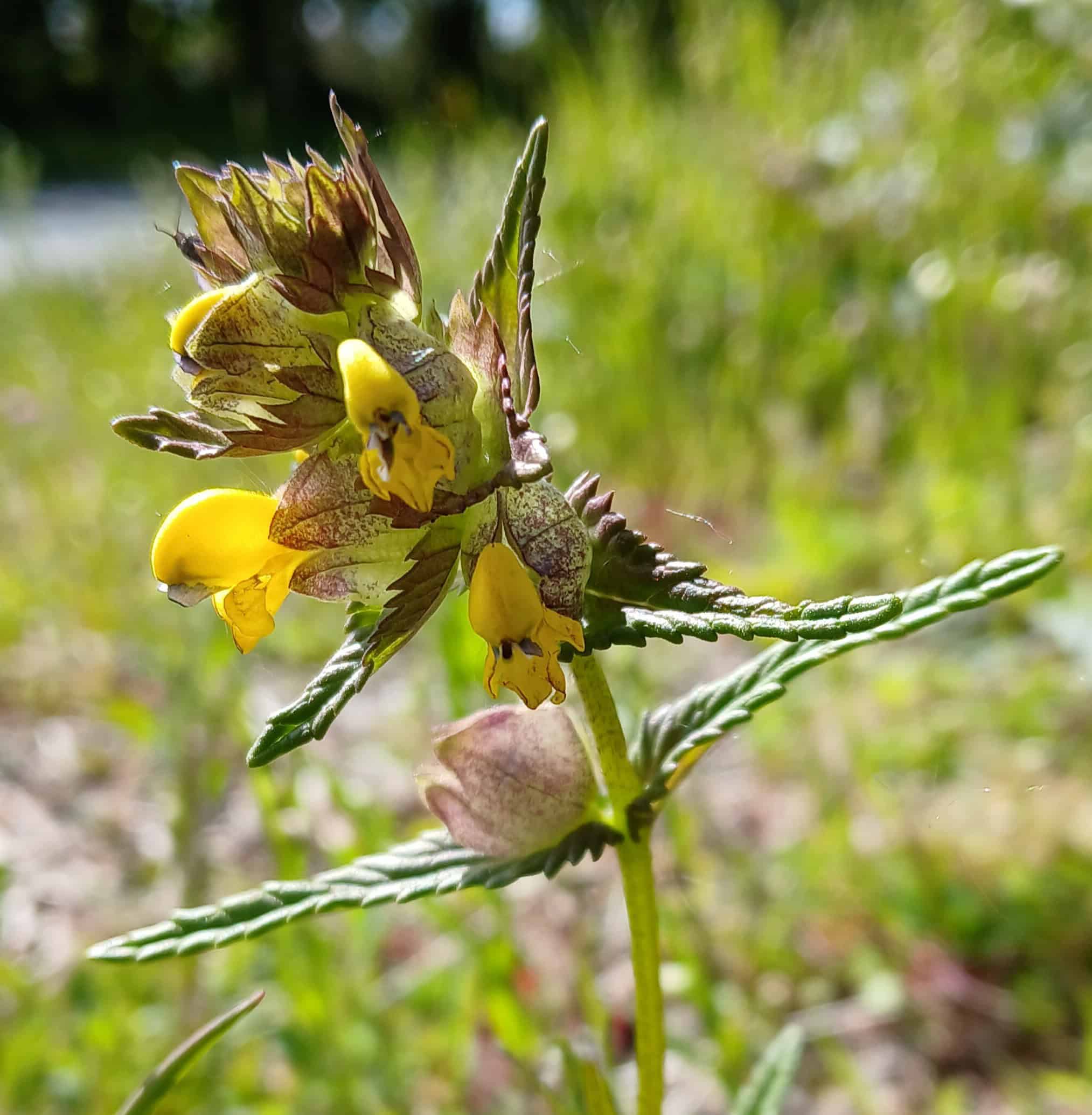
Yellow rattle
Flowering period
May-August
Height
Up to 50cm
Pollinators
Bees, bumblebees, hoverflies
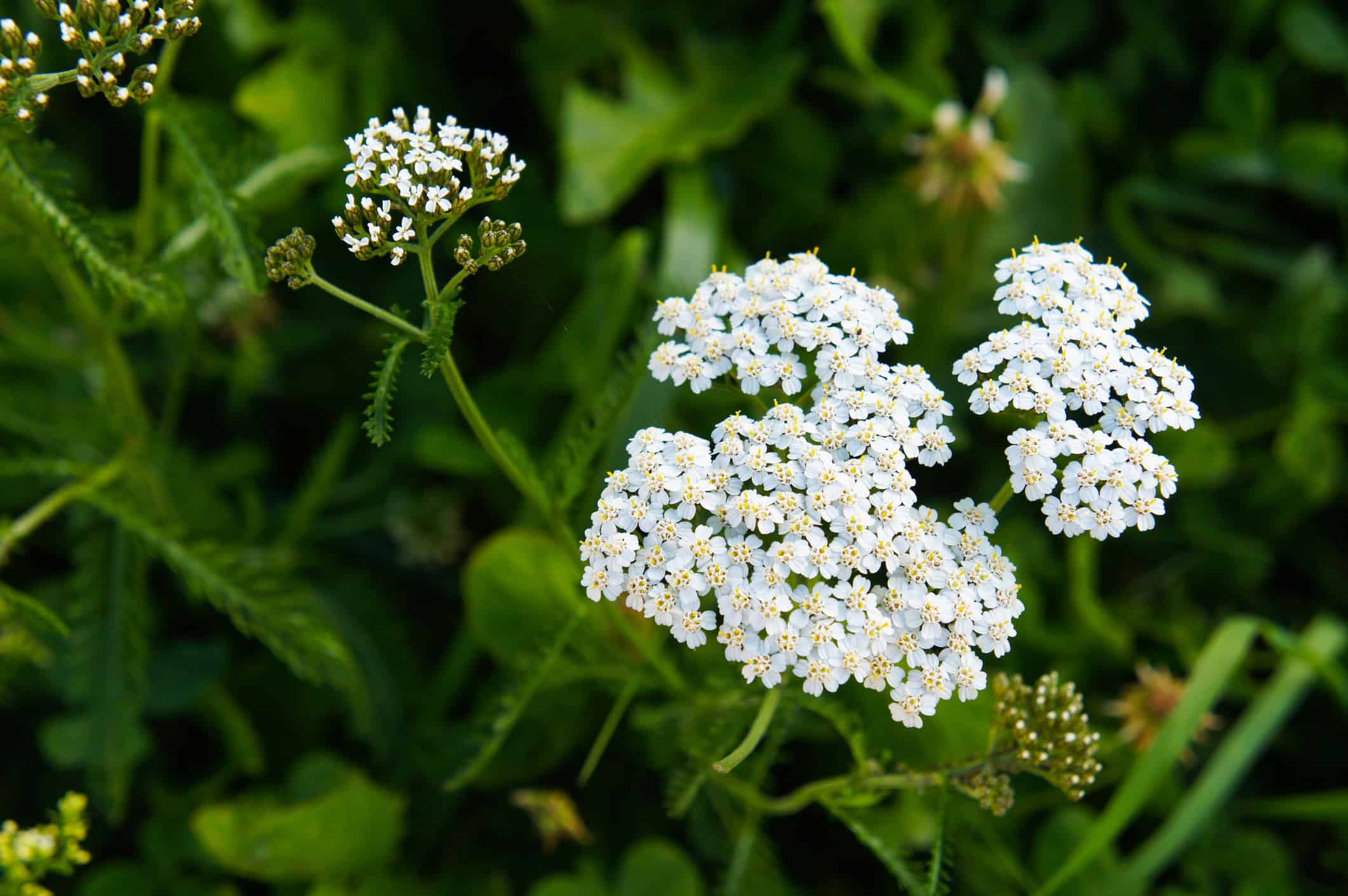
Yarrow
Flowering period
June-August
Height
10-40cm
Pollinators
Bees, butterflies, hoverflies, ladybirds
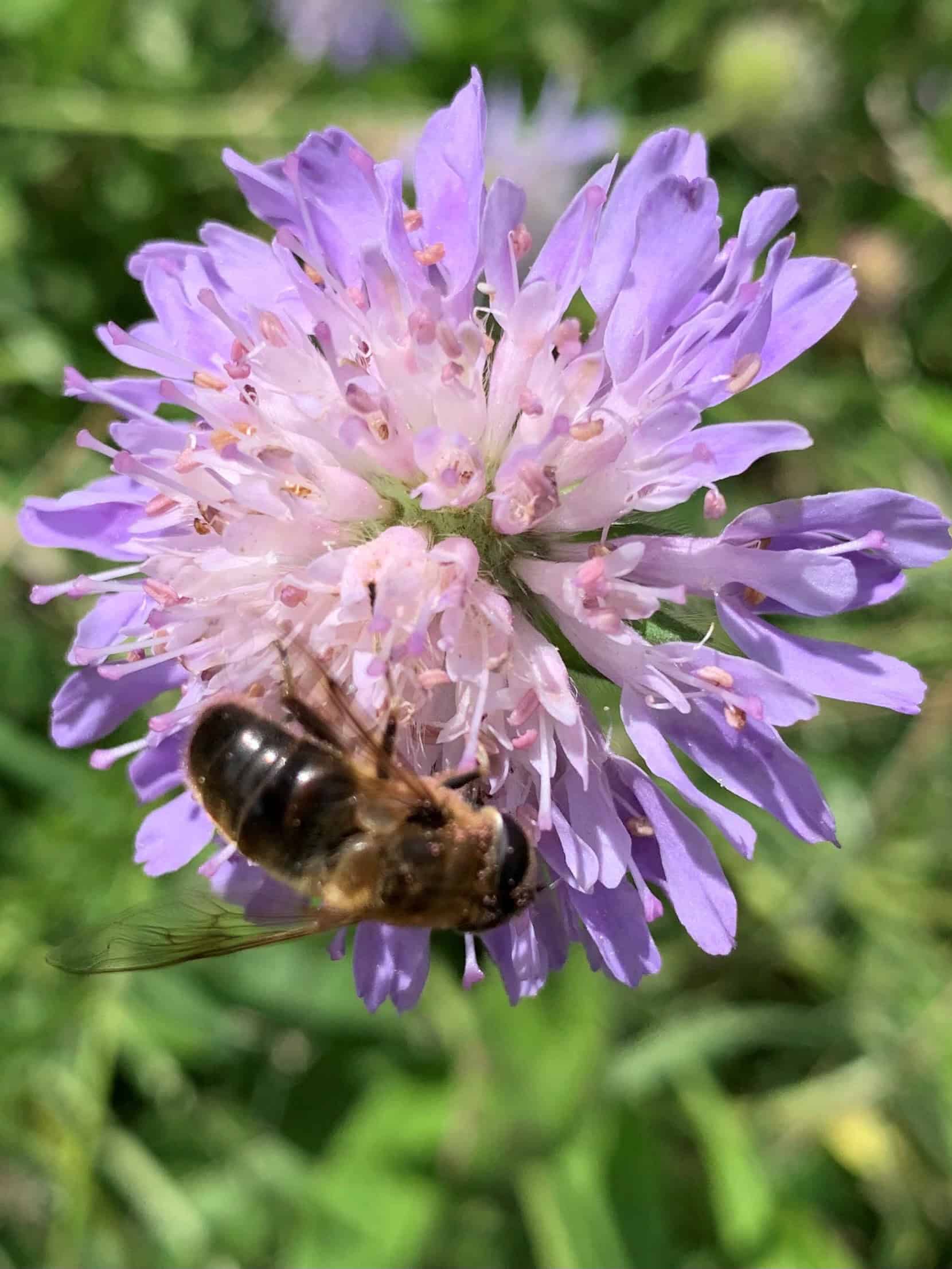
Field scabious
Flowering period
July-September
Height
15-70cm
Pollinators
Bees, butterflies, hoverflies, ladybirds
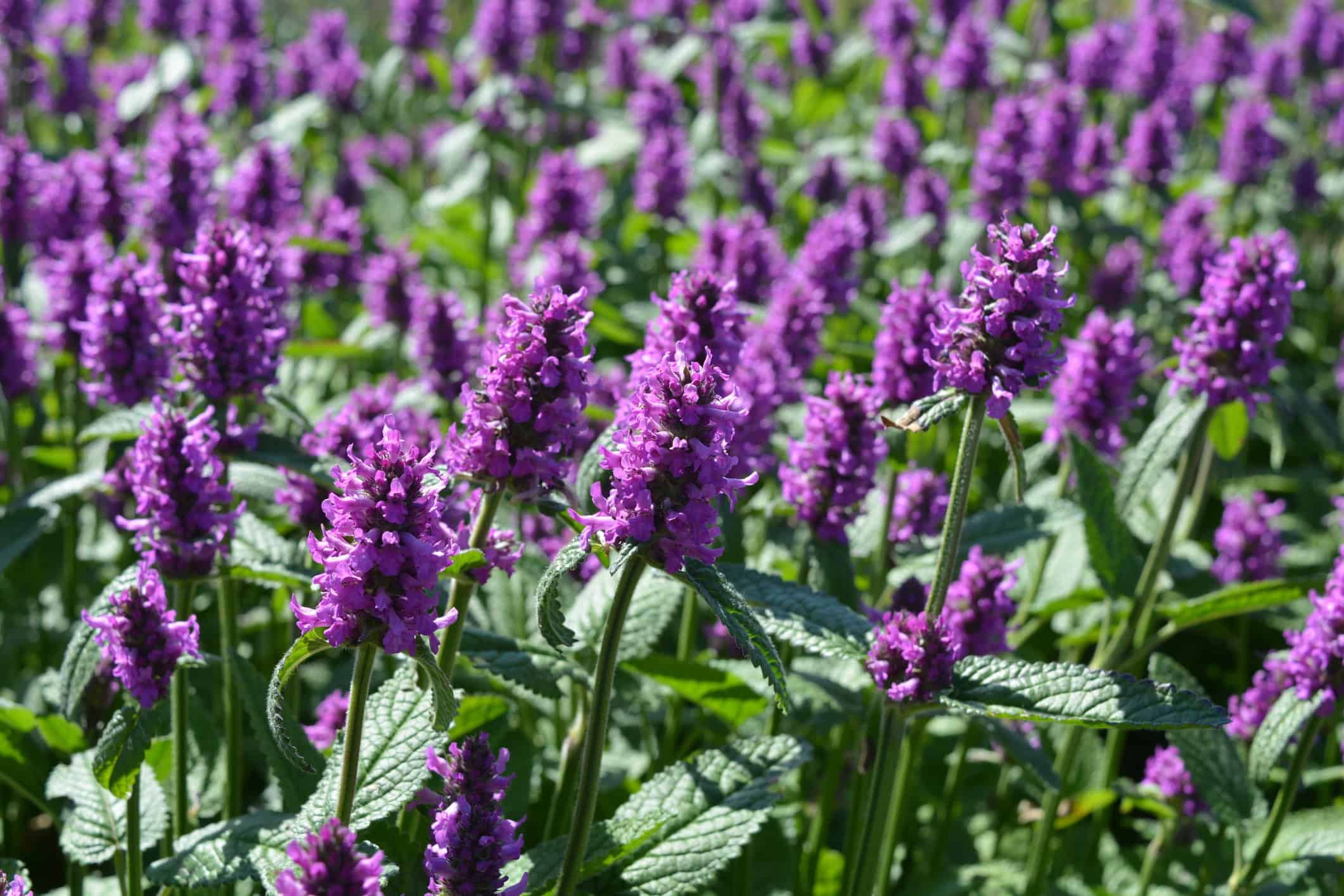
Betony
Flowering period
July-September
Height
10-60cm
Pollinators
Bees and general pollinators
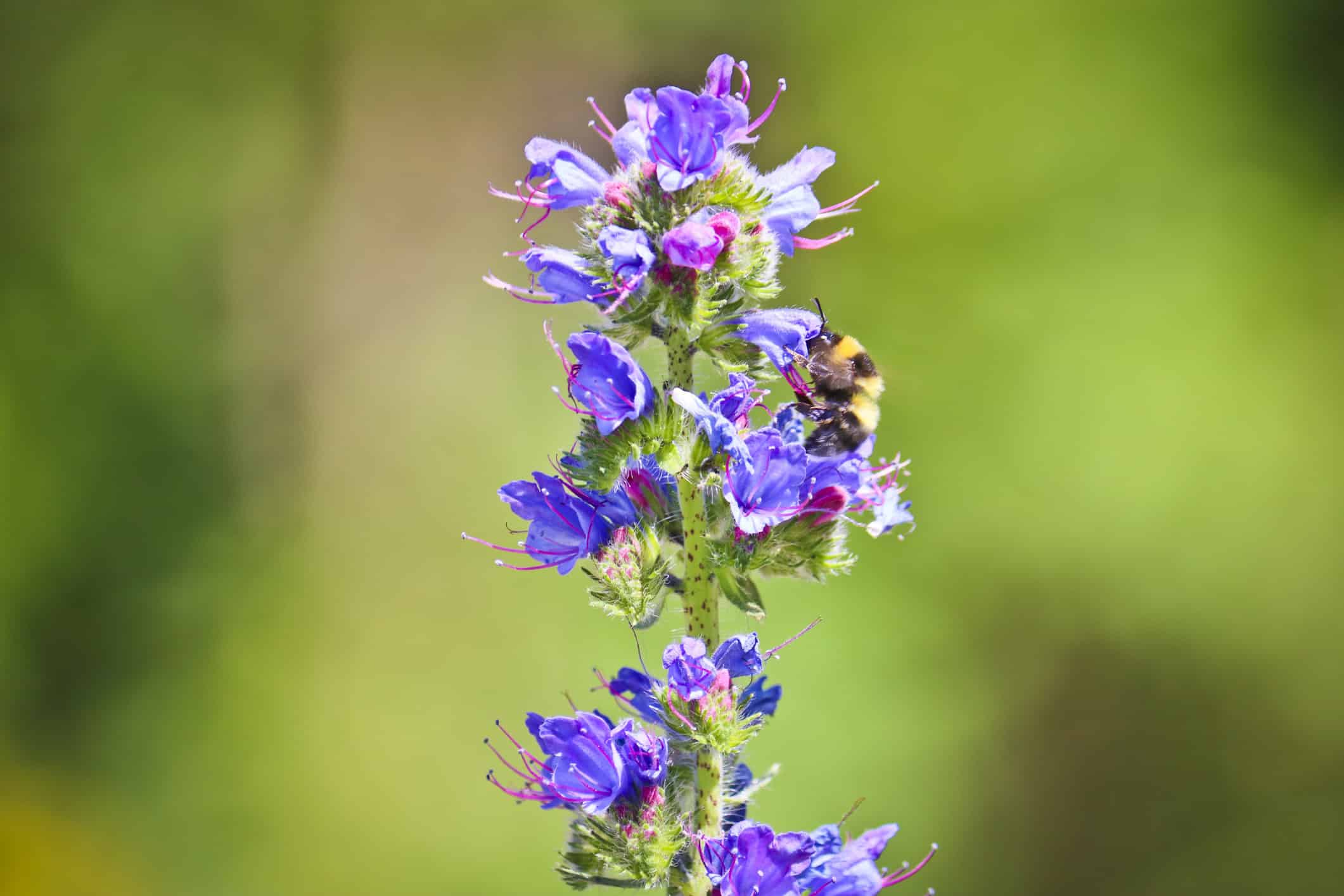
Vipers bugloss
Flowering period
June-September
Height
Up to 80cm
Pollinators
Honeybees, bumblebees, butterflies
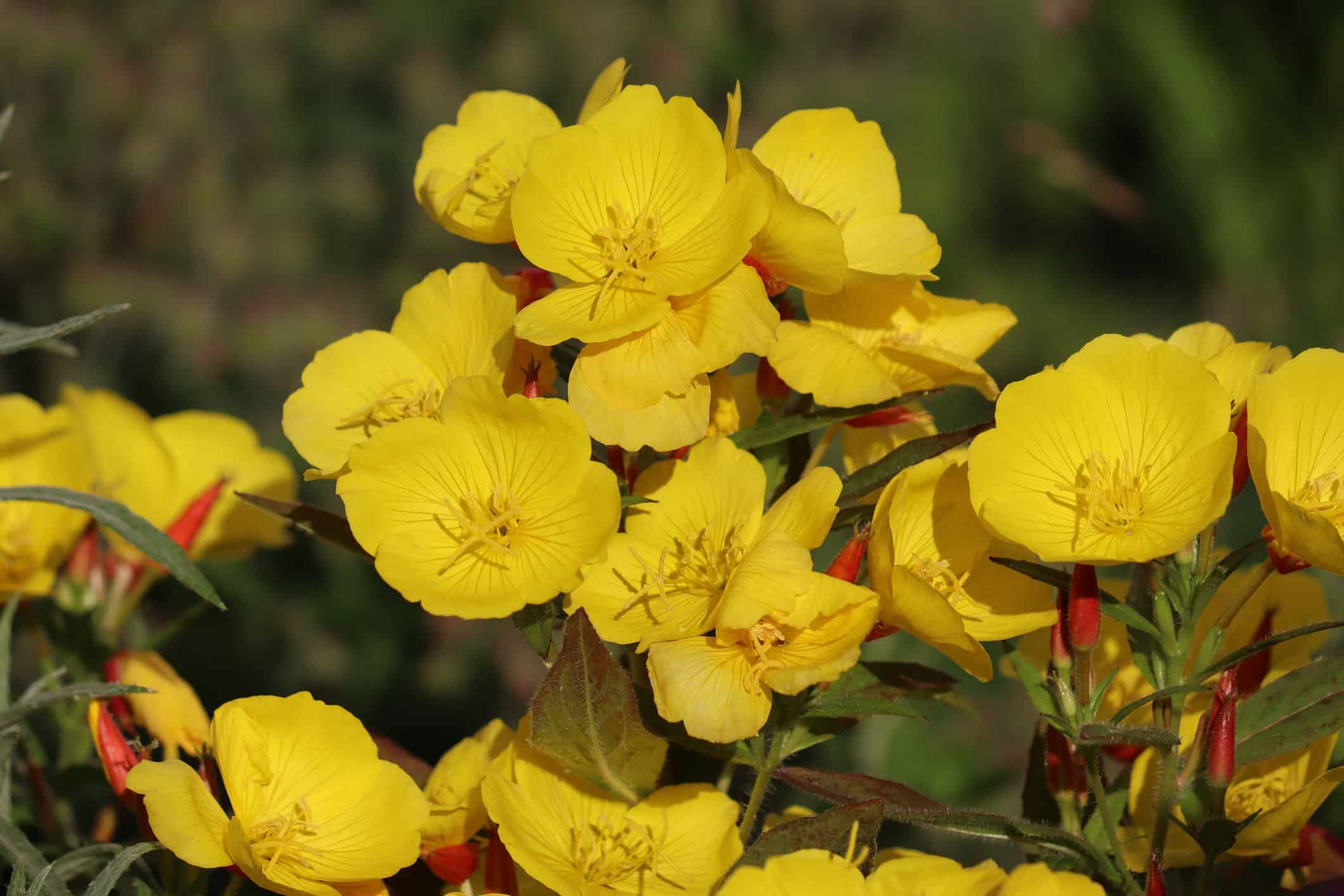
Evening primrose
Flowering period
June-September
Height
Up to 150cm
Pollinators
Hawkmoths
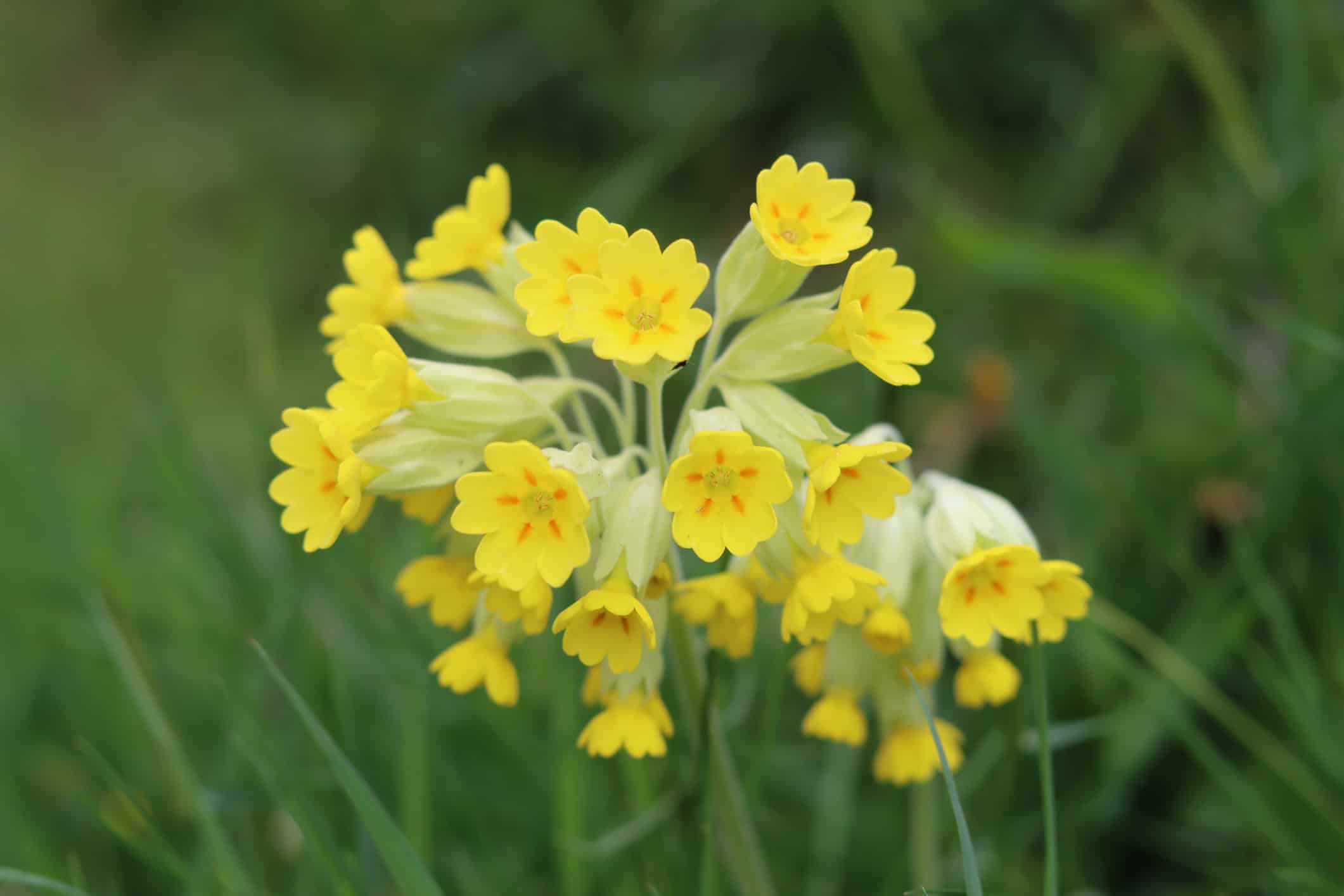
Cowslip
Flowering period
April-May
Height
15cm
Pollinators
Bees, butterflies, moths
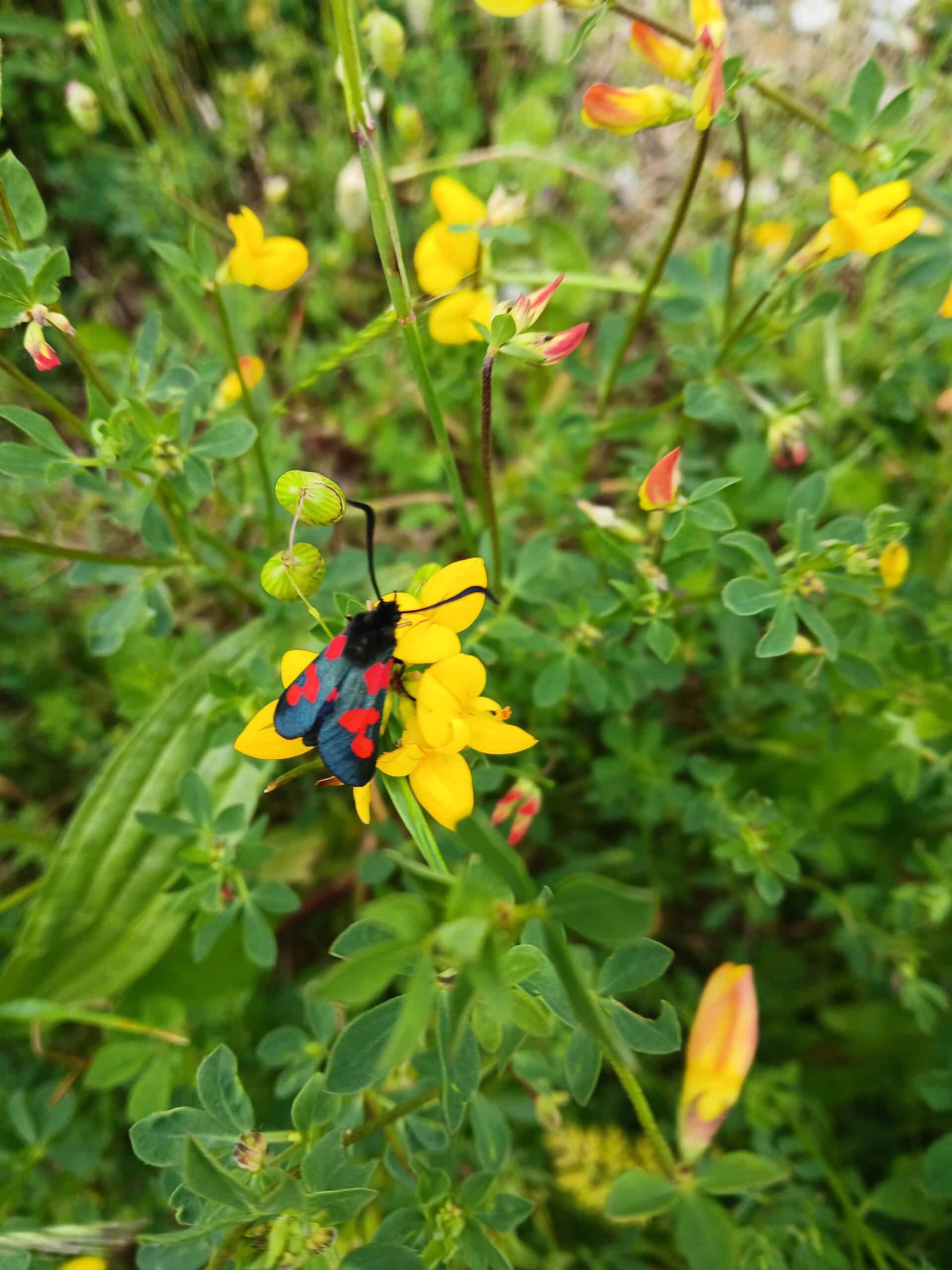
Bird’s foot trefoil
Flowering period
June-September
Height
10-40cm
Pollinators
Common blue, six spot burnet moth
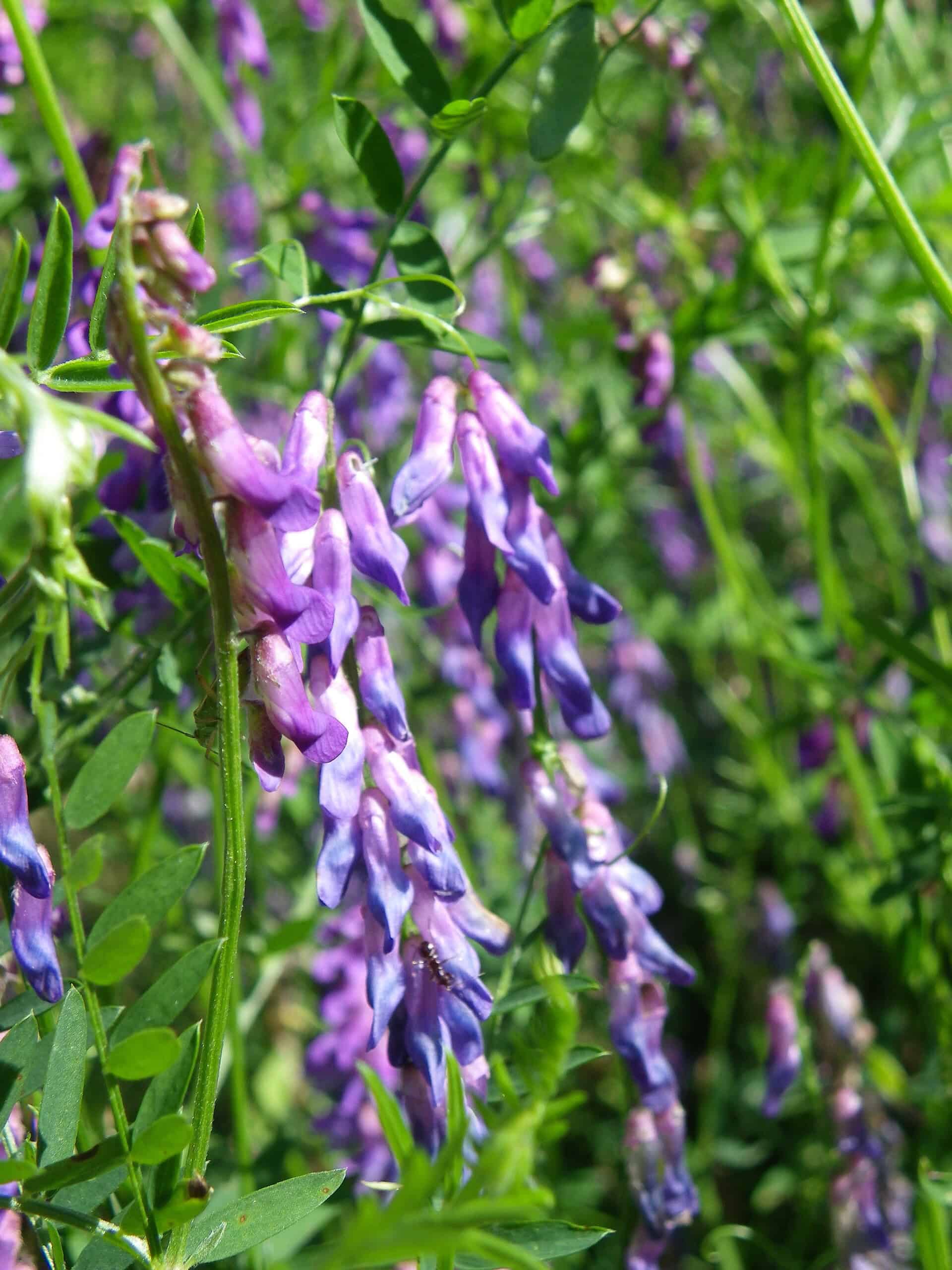
Tufted vetch
Flowering period
June-August
Height
60-200cm
Pollinators
Moths and butterflies
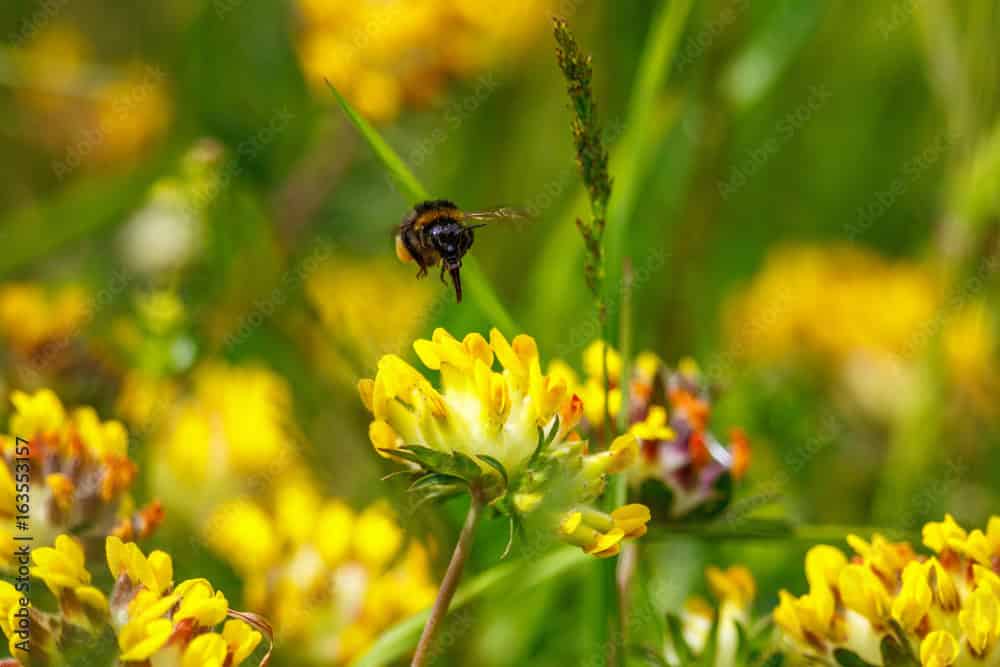
Kidney vetch
Flowering period
June-September
Height
Up to 30cm
Pollinators
Small blue butterfly